


Chloride Ion Penetration, Hydrostatic Pressure & Carbonation: The Real Threat to Concrete Structures in Fort Lauderdale
February 27, 2026
Integrated Water Management in Concrete Restoration: The Key to Long-Term Structural Protection in Fort Lauderdale
February 27, 2026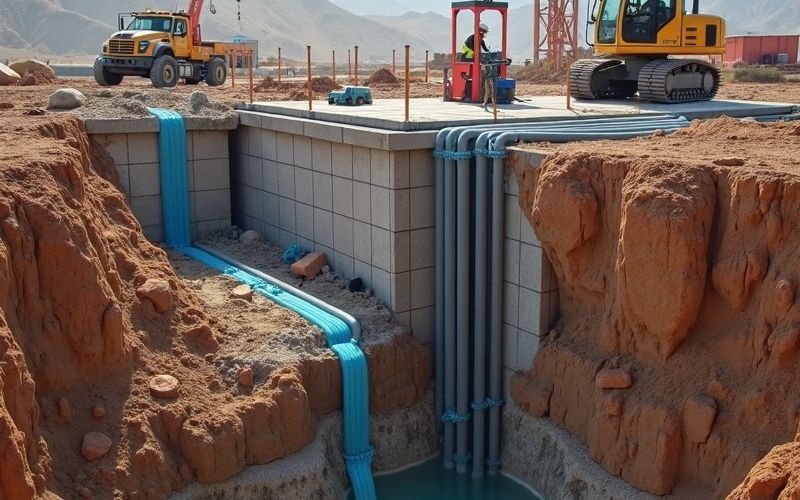
Groundwater & Hydrostatic Pressure Management
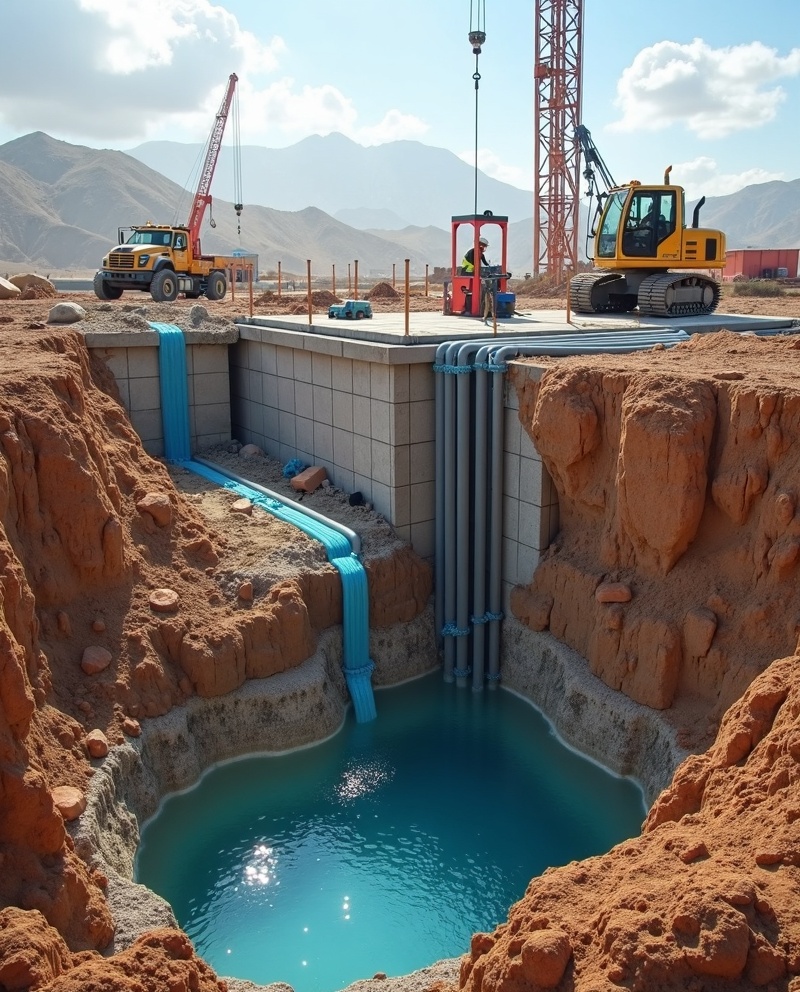
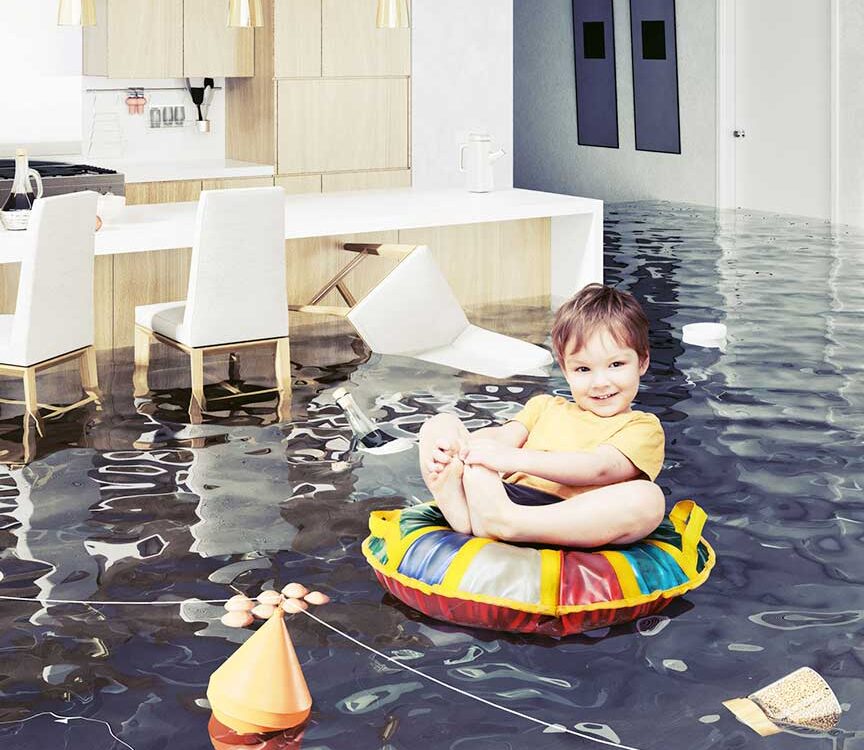
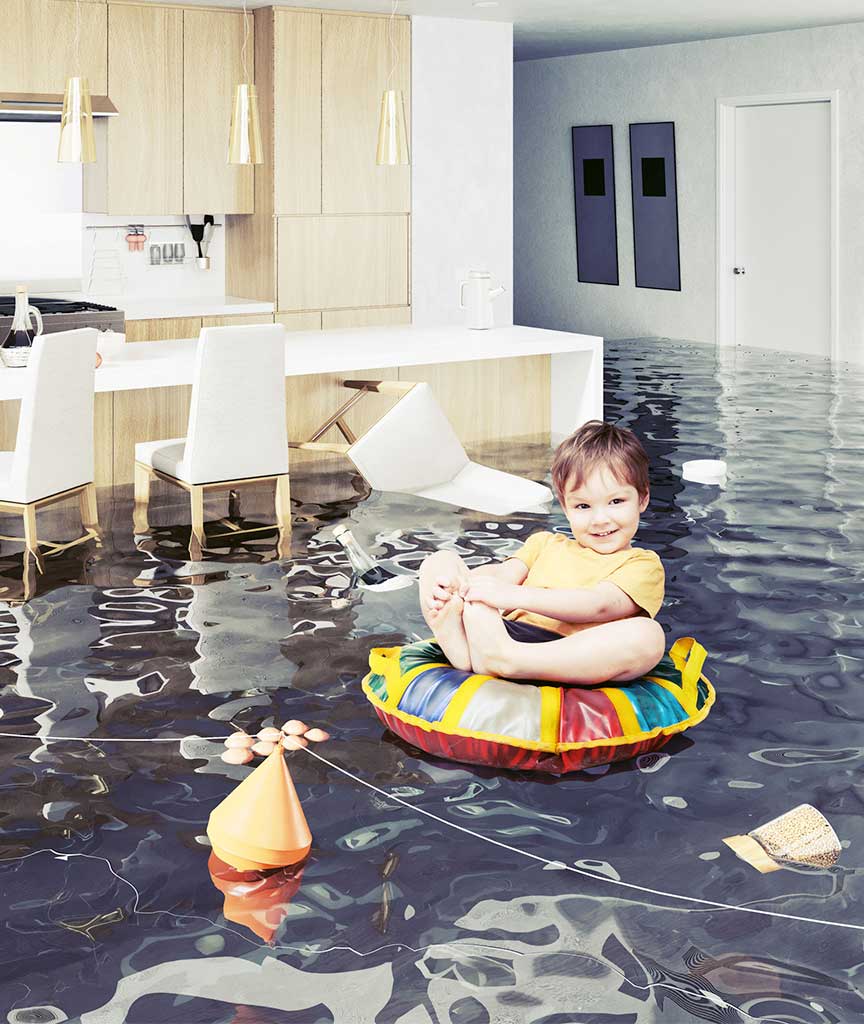
Rising groundwater creates hydrostatic pressure, a continuous force that pushes against below-grade concrete structures. In Fort Lauderdale, where the Biscayne Aquifer maintains water table levels typically 2-6 feet below ground surface, this pressure represents a constant threat to structural integrity.
When groundwater rises due to seasonal rainfall, king tides, or sea-level rise, it exerts pressure calculated at 0.433 psi per foot of water depth. For a foundation wall extending 8 feet below the water table, this translates to approximately 3.5 psi, or over 500 pounds per square foot of continuous force.
Structures Most Affected by Hydrostatic Pressure:
- Foundations: Below-grade walls experience continuous water pressure, causing cracks and water infiltration.
- Parking Garages: Subterranean levels face uplift pressure and water seepage through floor slabs.
- Seawalls: Constant water pressure combined with wave action accelerates structural deterioration.
- Basement Walls: Hydrostatic pressure forces water through concrete pores and existing cracks
This pressure causes multiple forms of concrete damage:
- Structural Cracks: Tensile stresses exceed concrete's capacity (typically 400-500 psi), creating horizontal and vertical fissures.
- Concrete Spalling: Water infiltration combined with salt content causes surface deterioration and delamination.
- Efflorescence: Dissolved salts migrate through concrete and crystallize on surfaces, indicating active water movement.
- Water Intrusion: Continuous seepage through cracks and porous concrete creates interior moisture problems.
- Structural Weakening: Long-term exposure reduces concrete strength and compromises load-bearing capacity.
Concrete restoration companies address these issues through comprehensive repair protocols, but without proper water management, repairs remain temporary solutions. The root cause excessive groundwater pressure, must be controlled to ensure long-term structural stability.
Drainage Systems Around Foundations
In comprehensive restoration projects, contractors install sophisticated water management systems designed to control groundwater levels and reduce hydrostatic pressure on concrete structures. These systems represent the critical difference between temporary repairs and permanent solutions.
Primary Water Management Systems:
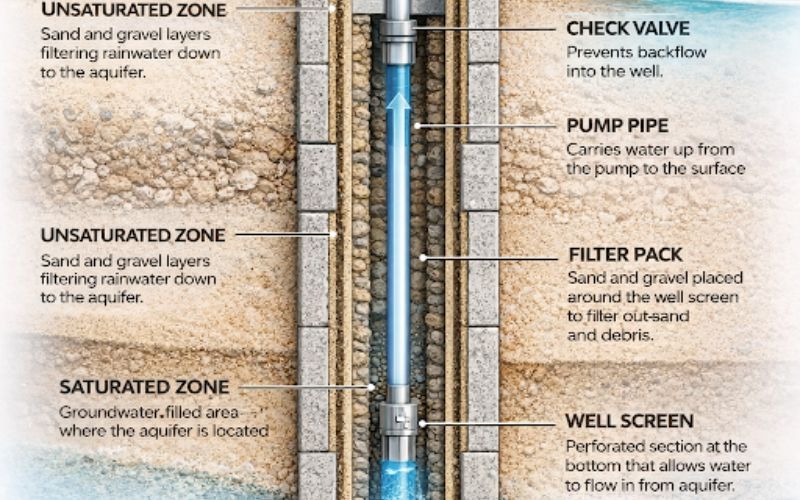
- Drainage Wells (Dewatering Systems)
Vertical wells drilled 15-30 feet deep with submersible pumps that actively lower groundwater table. Flow rates of 10-50 gallons per minute create a cone of depression, reducing water pressure within 30-100 foot radius. Particularly effective for large-scale foundation repairs and parking garage restoration.
- French Drain Systems
Perforated pipes (4-6 inch diameter) installed in gravel-filled trenches along foundation perimeters. Gravity-fed systems collect and redirect groundwater away from structures. Typically installed 2-4 feet below foundation level with 1-2% slope for proper drainage. Effective for managing surface water and shallow groundwater infiltration.
- Sump Pump Systems
Interior drainage systems with collection basins and automatic pumps. Installed at lowest points of below-grade spaces, typically with 1/3 to 1/2 HP pumps capable of moving 2,000-3,000 gallons per hour. Battery backup systems ensure operation during power outages, critical during hurricane season flooding events.
- Exterior Waterproofing Membranes
Rubberized asphalt or polymer-modified membranes applied to exterior foundation walls. Combined with drainage boards (dimpled plastic sheets) that create air gaps allowing water to flow downward to footer drains. Provides both waterproofing barrier and drainage pathway, reducing hydrostatic pressure by 60-80%.
These water management systems serve three critical functions in concrete restoration:
- Lower groundwater around buildings: Reducing water table by 2-4 feet can decrease hydrostatic pressure by 85-170 pounds per square foot.
- Prevent future structural damage: Controlling water infiltration stops the wet-dry cycles that accelerate chloride ingress and carbonation.
- Protect restored concrete: Maintaining dry conditions preserves repair materials and prevents recurrence of deterioration mechanisms.
In Fort Lauderdale's coastal environment, where annual rainfall averages 60-65 inches and the water table responds rapidly to tidal fluctuations, these drainage systems are not optional enhancements, they are essential components of any comprehensive concrete restoration project.
Seawalls & Coastal Structure Water Management
Near oceans, canals, and the Intracoastal Waterway, Fort Lauderdale properties face a particularly aggressive combination: high groundwater levels plus saltwater infiltration. This creates an accelerated corrosion environment where chloride ions penetrate concrete and attack steel reinforcement at rates 3-4 times faster than inland locations.
The Coastal Corrosion Cycle:
- Saltwater Infiltration: Tidal action and wave splash introduce chloride-laden water into concrete pores.
- Chloride Penetration: Salt ions migrate through concrete matrix toward steel reinforcement (rebar).
- Rebar Corrosion: Chlorides disrupt protective oxide layer, initiating electrochemical corrosion process.
- Rust Expansion: Corroded steel expands up to 600% in volume, creating internal pressure.
- Concrete Cracking: Expansion forces exceed concrete tensile strength, causing cracks and spalling.
- Structural Failure: Progressive deterioration compromises load-bearing capacity and safety
Comprehensive concrete restoration for coastal structures requires a multi-phase approach that addresses both the damaged concrete and the underlying water management issues:
Phase 1: Damage Assessment & Removal
Removing all damaged concrete using hydro-demolition (40,000 PSI water jetting) to expose corroded steel. Chloride content testing determines extent of contamination, concrete with chloride levels exceeding 0.6% by weight of cement must be removed to prevent future corrosion.
Phase 2: Steel Treatment & Corrosion
Protection Treating exposed rebar with zinc-rich primers or corrosion inhibitors. In severe cases, installing cathodic protection systems (sacrificial anodes or impressed current) that provide long-term electrochemical protection against future corrosion.
Phase 3: Concrete Rebuilding
Rebuilding sections using polymer-modified repair mortars with compressive strength 6,000-8,000 psi. Marine-grade concrete mixes incorporate supplementary cementitious materials (fly ash, slag cement) that reduce permeability and enhance chloride resistance.
Phase 4: Waterproofing & Drainage
Installing comprehensive waterproofing systems including penetrating sealers, elastomeric coatings, and drainage systems. Weep holes or drainage channels allow water to escape rather than accumulating behind seawalls, reducing hydrostatic pressure by 40-60%.
Water management is critical in these environments. Without proper drainage and waterproofing, even the most advanced concrete repairs will fail within 5-10 years as saltwater continues to infiltrate and corrode reinforcement. Effective seawall restoration requires controlling both the water source and the deterioration mechanisms it creates.
Slab & Foundation Water Control Systems
When water accumulates below concrete slabs, whether from rising groundwater, poor drainage, or plumbing leaks, it creates a cascade of structural problems that progressively worsen over time. Fort Lauderdale's porous limestone bedrock and high water table make these issues particularly prevalent.
Progressive Damage Sequence:
- Soil Saturation: Water accumulation saturates supporting soil, reducing bearing capacity by 30-50%.
- Soil Shifting: Saturated soil becomes unstable, creating voids and uneven support conditions.
- Settlement Occurs: Differential settlement creates stress concentrations in concrete slabs.
- Cracks Develop: Tensile stresses exceed concrete capacity, forming structural cracks.
- Water Infiltration: Cracks provide pathways for additional water entry, accelerating deterioration
Engineers install specialized water control systems before or during concrete restoration to address the root cause of slab and foundation problems. These systems are designed to manage water at its source, preventing future damage cycles:
Relief Wells (Pressure Reduction)
Vertical wells drilled through slab and into underlying soil/limestone to relieve hydrostatic pressure. Particularly effective in areas where artesian pressure pushes water upward. Wells typically 2-4 inches diameter, extending 10-20 feet below slab level, with gravel packing and monitoring systems.
Subsurface Drainage Systems
Network of perforated pipes installed in gravel beds beneath or around slabs. Pipes slope toward collection points (typically 1-2% grade) where water is directed to storm drains or pumped away. System includes filter fabric to prevent soil infiltration and maintain long-term drainage capacity.
Waterproof Membranes (Vapor Barriers)
High-density polyethylene (HDPE) or reinforced polyurethane membranes installed below slabs. Minimum 15-mil thickness, with sealed seams and proper overlap (6-12 inches). Creates impermeable barrier preventing moisture migration from soil into concrete. Critical for preventing efflorescence and reducing chloride ingress from below.
Soil Stabilization & Grouting
Polyurethane foam injection or cement grouting to fill voids and stabilize soil beneath slabs. Expanding foam lifts settled slabs while simultaneously filling voids and waterproofing. Compressive strength 80-120 psi, with hydrophobic properties that repel water and prevent future washout.
In Fort Lauderdale's limestone geology, solution channels and voids are common features that create preferential flow paths for groundwater. These natural cavities can extend 10-30 feet below surface, creating unpredictable water movement patterns. Professional water management systems must account for these geological features through comprehensive site investigation and customized drainage design.
The Florida Building Code (FBC) 2023 Section 1805.2 requires foundation drainage systems for buildings with below-grade spaces. However, many older Fort Lauderdale structures (pre-2000 construction) lack adequate drainage, making them particularly vulnerable to water-related concrete deterioration. Retrofitting these systems during concrete restoration is essential for long-term structural protection.
Engineering Fact
Groundwater well systems can lower water table levels by 3-8 feet within a 50-foot radius, reducing hydrostatic pressure on foundation walls by 130-350 pounds per square foot, critical for preventing concrete deterioration in coastal Fort Lauderdale properties.