


Groundwater & Hydrostatic Pressure Management in Fort Lauderdale: Protecting Foundations and Coastal Structures
February 27, 2026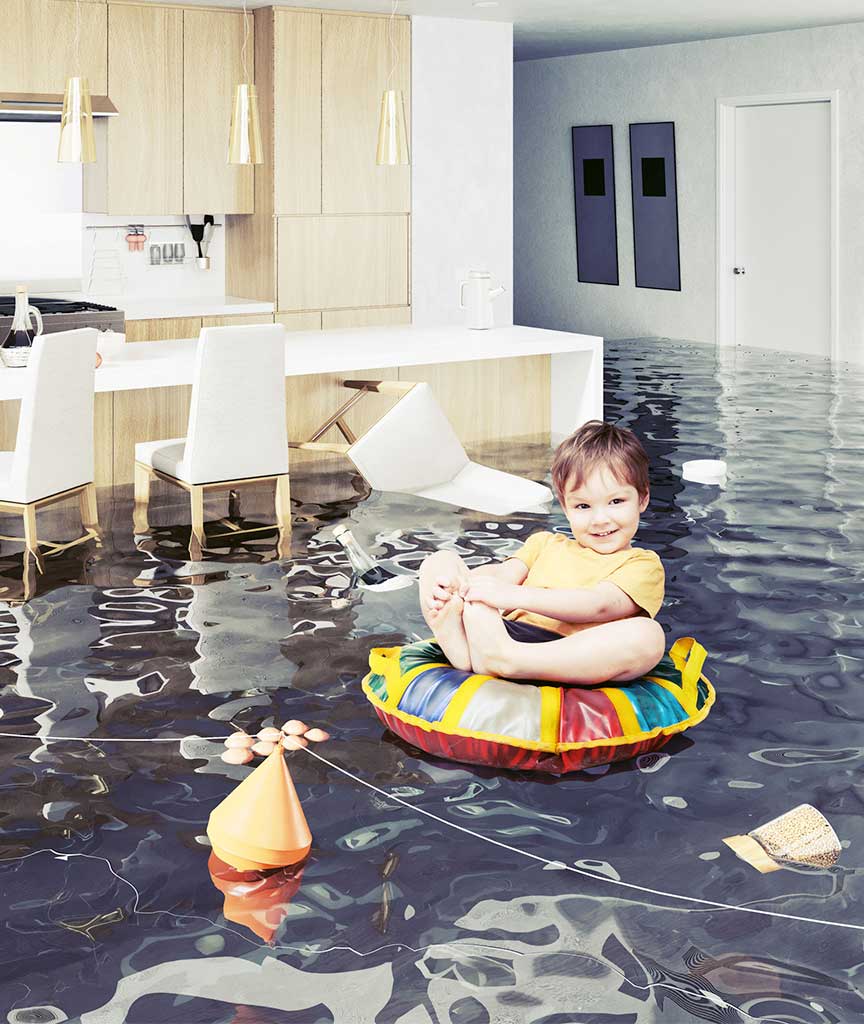
The Bottom Line: Integrated Water Management
Water control is not an add-on service. It is a structural necessity.
In Fort Lauderdale’s coastal environment, concrete deterioration rarely occurs in isolation. High groundwater levels from the Biscayne Aquifer, tidal fluctuations near the Intracoastal Waterway, saltwater intrusion, and annual rainfall exceeding 60 inches create constant hydrostatic pressure and moisture exposure. Under these conditions, repairing damaged concrete without addressing water intrusion is a temporary solution at best.
Concrete restoration and water management must function as a unified system.
Why Water Control Is Critical in Coastal Restoration
When groundwater rises or accumulates around a structure, it generates hydrostatic pressure that forces moisture through concrete pores, construction joints, and microcracks. Over time, this leads to:
- Reinforcement corrosion due to chloride transport
- Concrete spalling and delamination
- Efflorescence and surface deterioration
- Loss of compressive strength
- Reduced load-bearing capacity
Even the highest-quality repair mortars and marine-grade concrete mixes will fail prematurely if continuous moisture exposure is not mitigated. In coastal South Florida, unmanaged water accelerates deterioration cycles by years, sometimes decades.
The reality is simple: moisture drives corrosion, and corrosion drives structural failure.
Our Integrated Approach to Restoration
At EZ General Contractors, we treat water management as a core engineering component of every concrete restoration project, not as a secondary upgrade.
Before beginning structural repairs, we perform a site-specific assessment that includes:
- Groundwater elevation analysis
- Evaluation of drainage conditions
- Identification of hydrostatic pressure risks
- Moisture intrusion mapping
- Inspection of existing waterproofing systems
Based on these findings, we design and implement integrated solutions such as:
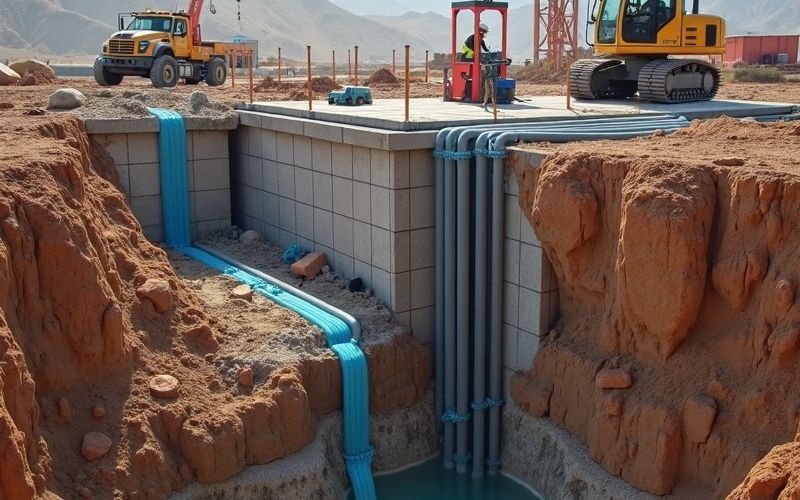
- Perimeter drainage systems
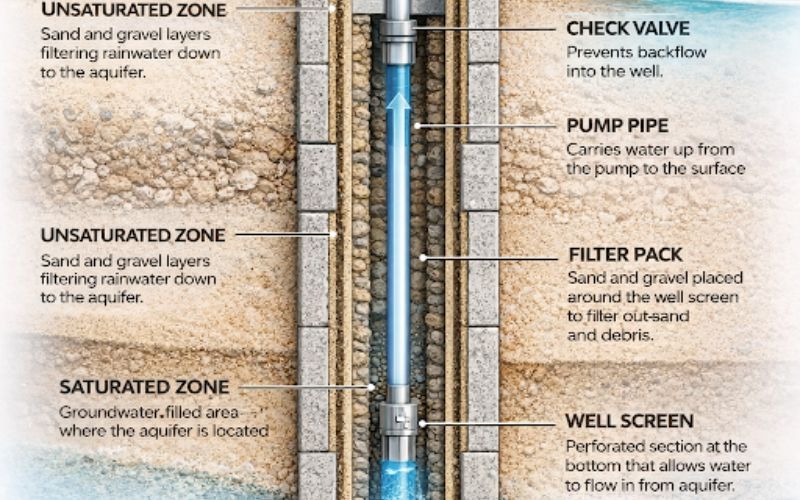
- French drains and subsurface piping
- Sump pump installations with backup power
- Exterior waterproofing membranes
- Weep hole systems for seawalls
- Vapor barriers beneath slabs
- Surface sealers and elastomeric coatings
This coordinated strategy reduces hydrostatic pressure, diverts water away from structural components, and creates a controlled moisture environment around the building envelope.
Long-Term Structural Protection vs. Short-Term Repairs
Many restoration projects focus only on visible damage, spalling, exposed rebar. While these symptoms must be addressed, they are often the result of uncontrolled water movement.
If the root cause remains:
- Repaired areas can deteriorate within 5–10 years
- Corrosion can re-initiate behind patch repairs
- Moisture intrusion can spread to adjacent structural elements
- Maintenance costs increase exponentially over time
Integrated water management extends the service life of restored structures from years to decades. By lowering groundwater levels, relieving hydrostatic pressure, and sealing intrusion pathways, we significantly slow the mechanisms that cause chloride ingress, carbonation, and reinforcement corrosion.
In Fort Lauderdale’s aggressive coastal environment, durability depends on controlling both structural damage and environmental exposure.
The Bottom Line
You can repair concrete. But if you do not control the water, the deterioration cycle will return.
Professional restoration requires addressing both the symptom and the source. That means repairing damaged concrete while simultaneously engineering drainage, waterproofing, and pressure-relief systems that protect the structure long-term.
At EZ General Contractors, every restoration project is approached holistically. We integrate structural repair with comprehensive water management planning to ensure the integrity, safety, and durability of coastal properties for decades, not just the next few years.
Because in South Florida, water is not optional.
It is the defining factor in structural longevity.